Selling townhouses is one of the most rewarding transactions in New York real estate, and one of the most nuanced. NYC's historic row houses carry architectural character, generous proportions, and land value that apartments simply cannot match, which means the right strategy can meaningfully change your final number. Whether you own a single-family home in Park Slope, a two-unit house in the West Village, or a restored home in Brooklyn Heights or the Upper West Side, this guide walks through how to price, prepare, market, and close so you keep as much of your equity as possible.
Why Townhouses Command Strong Demand
Brooklyn's brownstone belt runs through neighborhoods like Brooklyn Heights, Cobble Hill, Carroll Gardens, Fort Greene, Clinton Hill, Park Slope, and Bedford-Stuyvesant, and it contains some of the most sought-after housing stock in the city. Manhattan's townhouses are clustered in the East and West Village, SoHo, Midtown East and West, Harlem, and the Upper East & Upper West Sides. Supply is effectively fixed. Landmark districts protect the streetscape, so no new townhouses are being built, and demand from buyers who want space, private outdoor areas, and ownership of an entire building continues to outpace inventory. For a seller, that scarcity is leverage when the home is positioned correctly.
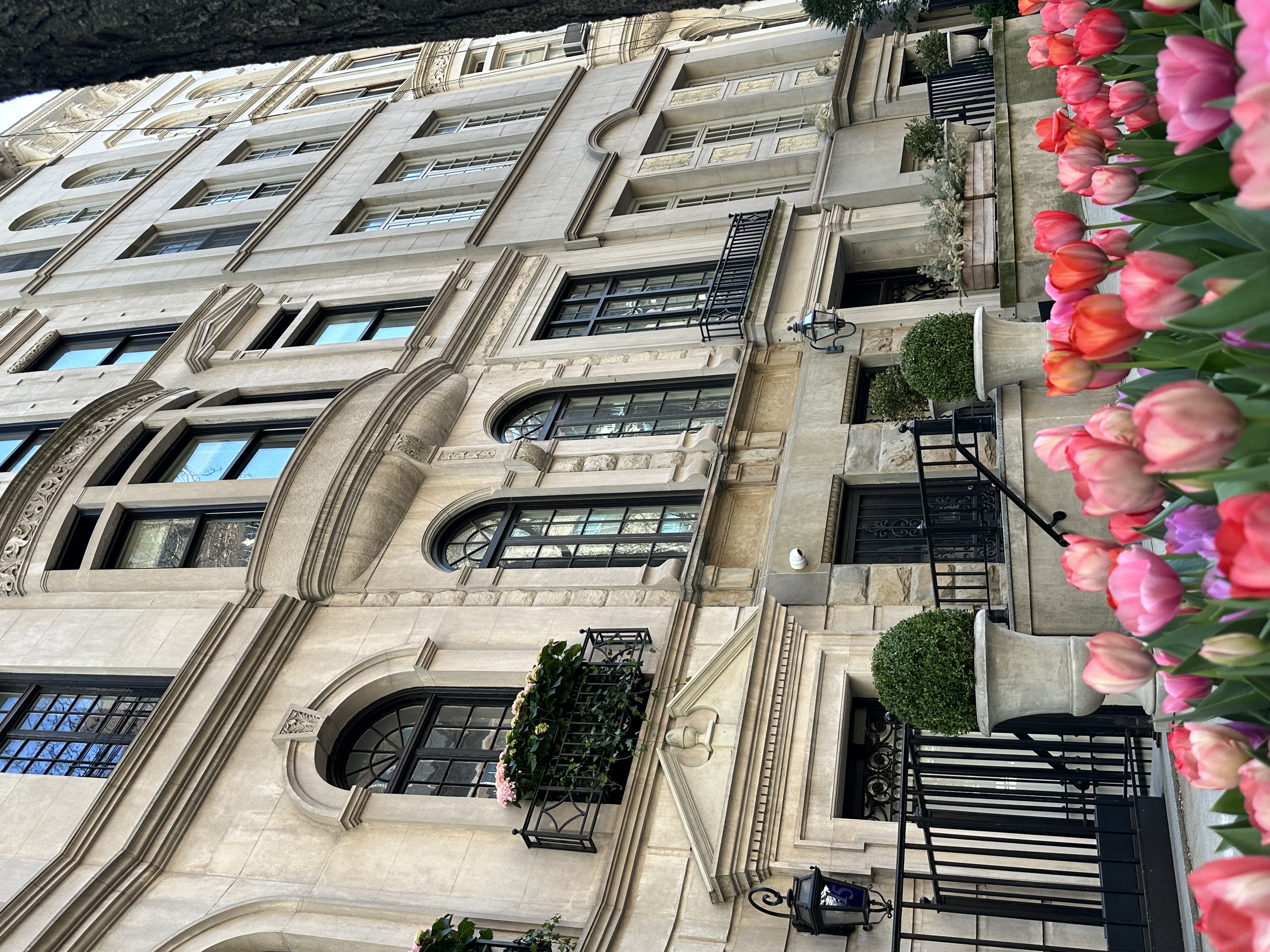
Know What Type of Brownstone You Are Selling
Not every townhouse sells the same way. The configuration of your home shapes the buyer pool, the pricing approach, and the paperwork involved.
- Single-family homes appeal to buyers who want a private house end to end, and they are usually the most straightforward to sell.
- Two- to four-unit houses attract both owner-occupants who want rental income and investors, so both the presentation and the rent roll matter.
- Condo or co-op conversions inside a brownstone follow the rules of that ownership structure, which affects disclosures and, for co-ops, board involvement.
If your building was converted, the difference between the two ownership structures shapes what buyers can expect. My overview of co-op versus condo ownership in Manhattan explains how each one works, and the same principles apply across the river in Brooklyn.
Step-by-Step: How to Sell a Brooklyn Brownstone
Step 1
Assemble your team
Start with an experienced broker and a New York City real estate attorney. Having led the sales of countless townhouses in Manhattan and Brooklyn, I am uniquely positioned to provide practical in-depth knowledge and experience to elegantly get you to your closing table with the best resources possible. For a two- to four-unit home, add an accountant or bookkeeper who can organize the rent roll and operating history buyers will want to review.
Step 2
Establish condition and value
Walk the home with your broker, review recent comparable brownstone sales on nearby blocks, and identify repairs worth completing before you list. This sets a realistic launch price and prevents inspection surprises.
Step 3
Prepare and stage the home
Complete targeted repairs, declutter, and stage so buyers can see the home's scale, light, and original detail. Presentation is where brownstones separate themselves from ordinary listings.
Step 4
Build the marketing package
At this point, I hire professional photography and video teams and floor plan experts, and write a listing narrative that conveys the home's history and attributes. I prepare the best media possible for your marketing.
Step 5
Launch and manage showings
Go live when buyer activity is strongest, host well-run showings by appointment, and gather feedback so you can adjust quickly if needed.
Step 6
Negotiate and close
Evaluate offers on price and terms, negotiate from a prepared position, and coordinate the contract, due diligence, and closing with your attorney.
Pricing a Townhouse
When selling a townhouse in Manhattan or Brooklyn, pricing is where sellers gain or lose the most. Values vary widely by neighborhood, lot width, condition, and whether the home is delivered vacant. A rigorous comparative market analysis should weigh recent closed sales on comparable blocks, homes currently in contract, and active competition. The first two to three weeks on market draw the most attention, so an accurate price from day one protects momentum. An aspirational number that sits and then requires reductions almost always nets less than a well-calibrated launch price.
Preparing the Home: Repairs, Staging, and Presentation
Buyers pay a premium for homes that feel move-in ready and show their best architectural features. Before listing, focus on the items that shape a buyer's first impression and inspection:
- Address deferred maintenance on the roof, façade, and mechanical systems, since these surface in inspections and can reopen price negotiations.
- Restore or highlight original detail such as moldings, mantels, and staircases, which are a major part of a brownstone's appeal.
- Declutter and stage to reveal the home's proportions and light rather than filling every room.
- Refresh the garden or rear yard, a feature many apartment buyers are specifically trading up to find.
Marketing That Reaches the Right Buyers
A townhouse deserves a marketing campaign built around its character: architectural photography shot in good light, accurate floor plans, and a listing story that conveys the home's history and flow. Video and targeted digital advertising extend your reach to buyers relocating from the area and beyond, and a strong broker network surfaces qualified buyers before the wider market sees the listing. If you are also weighing an apartment sale, the same disciplined approach applies, as I outline in my guide to selling a luxury apartment in NYC.

Timing Your Sale
The townhouse market has a seasonal rhythm. Spring and early fall typically bring the deepest buyer pools, while late summer and the winter holidays are slower. That said, well-prepared and well-priced homes sell in every season, and limited winter inventory sometimes means less competition for your listing. The right timing depends on your goals, your home's readiness, and conditions on your specific block, which is worth discussing with your broker before you commit to a date.
Negotiation and Closing
Once offers arrive, evaluate them on more than the headline price. Financing strength, contingencies, and the buyer's timeline all affect certainty of closing. For multi-unit brownstones, be ready to provide leases and operating records during due diligence. Your attorney will negotiate the contract, manage the title and survey review, and coordinate the closing, while an experienced broker anticipates issues before they threaten the deal.
Selling and Buying Across Brooklyn and Manhattan
I represent both sellers and buyers across Manhattan and Brooklyn, and many of my clients are doing both at once, selling a townhouse while trading into an apartment, or the reverse. Working both boroughs helps me position your home for the widest qualified audience and, when you are also purchasing, coordinate the two transactions so they support each other. If your next move is a house rather than an apartment, my guide to buying a Manhattan townhouse covers much of the same due diligence that applies to brownstones.
The Bottom Line
Selling a New York City townhouse rewards preparation. The homes are scarce and desirable, but buyers are discerning, and the details, from pricing to condition to the marketing story, determine your final number. With the right plan, the path from listing to closing is entirely manageable.
With more than 26 years of experience and $1.7 billion in career sales across New York City, I help owners sell brownstones and apartments in Manhattan and Brooklyn with a strategy built around their specific home and goals. If you are considering selling, I welcome the chance to share my perspective on today's market and how best to position your property.
Frequently Asked Questions
- How much is my Brooklyn brownstone worth in 2026?
- Value depends on the neighborhood, lot width, condition, and whether the home is delivered vacant. Renovated single-family brownstones in core neighborhoods generally trade in the multimillion-dollar range, with premiums for wider lots, private gardens, and turnkey condition. A comparative market analysis of recent sales on comparable blocks is the most reliable way to establish a realistic price.
- Should I renovate before selling a Brooklyn brownstone?
- Full renovations rarely return their entire cost at sale. Targeted work, such as addressing roof and façade issues, servicing mechanical systems, and restoring visible original detail, usually delivers a better return than a gut renovation. Your broker can help you decide which projects are worth doing before you list.
- How long does it take to sell a brownstone in Brooklyn?
- A well-prepared and well-priced brownstone often goes into contract within a few weeks to a couple of months, though timelines vary by season, price point, and the home's condition. Closing then typically takes an additional two to three months.
- Do I need to deliver the brownstone vacant?
- Not necessarily, but it affects the buyer pool and price. Many buyers of single-family homes prefer vacant delivery, while investors may value in-place, market-rate tenants. If your home has rent-regulated units, that status carries specific rules and disclosures your attorney should review.
- Do you sell brownstones in both Brooklyn and Manhattan?
- Yes. I represent sellers and buyers across both boroughs, including brownstones and row houses in Brooklyn and townhouses and apartments in Manhattan. Working both markets lets me position your home for the widest qualified audience.